Emergency Broadcast Anxiety: A Tier List of TV Anchors I Would (and Would Not) Evacuate For
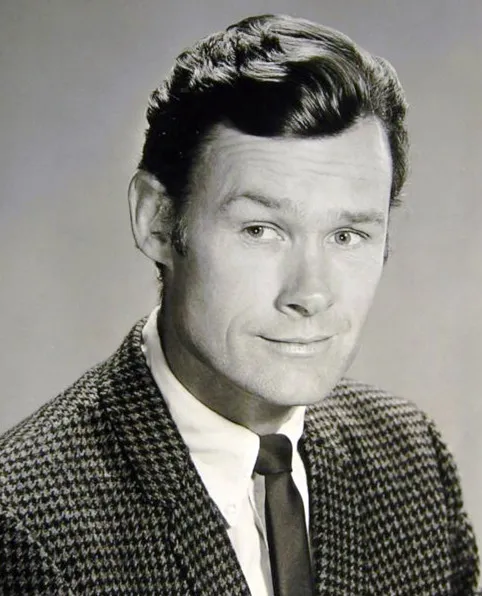
Photo: MGM-TV, Public domain, via Wikimedia Commons
There's a specific kind of local news anchor energy that gets drilled into every American kid: the calm baritone, the windswept field reporting, the solemn nod before a commercial break. And there's a fictional kind, too — the anchors of sitcoms, dramas, and movies who populate our screens delivering fake tornado warnings and very real plot exposition.
So I did what any rational person does at 1 a.m.: I built a tier list. The criteria are simple. Trustworthiness. Hair game. And the big one — would I evacuate because this person told me to?
S-Tier: The Voices That Could Talk Me Off a Roof
Ted Baxter's spiritual successors who actually got competent. Somewhere in the Mary Tyler Moore extended universe lives the platonic ideal of the trustworthy anchor — the one who flubbed names for six seasons but would absolutely hold it together when the dam broke. There's a lesson here: reliability isn't about polish. It's about showing up. Ted would show up. Possibly in the wrong city, but he'd show up.
The anchor from Broadcast News. Tom Grunick is beautiful and slightly fraudulent, and Aaron Altman is the actual journalist — but during a breaking crisis? I want the guy who cries on camera. That's a man with functioning empathy. Evacuate? I'd evacuate twice.
Any anchor played by a veteran character actor in a disaster movie. You know the one. Gray temples, navy blazer, voice like a warm cup of decaf. He appears for ninety seconds to say the words 'authorities are urging residents' and then vanishes from the film. That man has never lied to anyone in his life. S-tier, forever.
A-Tier: Solid, But I'd Check a Second Source
Kent Brockman. Look, the man has gravitas. He's anchored through alien invasions, and he did famously pledge his loyalty to whichever side won. That's not a bug — that's adaptability. But 'I, for one, welcome our new insect overlords' is a wild thing to hear during a live emergency. A-tier with an asterisk.
The Anchorman crew, post-montage. By the end of the film, Ron Burgundy has grown. He has a dog he respects. But if Ron told me a tsunami was coming, I would need him to read it off a teleprompter exactly as written, and even then I'd look outside. Veronica Corningstone, however, is a legitimate A+. Put her in charge.
B-Tier: Great Hair, Questionable Judgment
This is where the 'Peaked in the '80s' Special Category lives — the anchors whose entire identity is a helmet of gel and a blazer with rolled sleeves. They deliver the news like they're selling a Camaro. Would I trust them during a flash flood? I'd trust them to look incredible during a flash flood. That's not nothing, but it's not evacuation energy.
Also in B-tier: any sitcom anchor whose news desk is a running gag. The moment an anchor's primary function is a punchline — 'details at eleven,' cut to laugh track — my survival instinct kicks in and I open the Weather Channel app.
C-Tier: The 'More on That Story Later' Lifetime Achievement Award
And now, the award nobody asked for and everybody recognizes: the Lifetime Achievement Award for the Anchor Who Says 'More on That Story Later' and Never, Ever Follows Up.
You know him. Every fictional newscast has him. He teases a warehouse fire at the top of the broadcast with the urgency of a man witnessing history, then spends four minutes on a county fair pie contest, and when the credits roll, the warehouse fire has evaporated from the collective consciousness. Where did the story go? Later. It's always later. Later never comes.
This man cannot be trusted with an evacuation order. He'd say 'shelters are open — more on that story later' and then later would be a segment about a dog who waterskiis. C-tier, but he keeps the award on his desk and it's slightly crooked.
D-Tier: Immediate Doom
Anyone whose newsroom is a plot device. If the anchor exists solely so the main characters can learn about the plot event, that anchor is reading copy written by a screenwriter with no interest in accuracy. 'A giant twister is heading toward the lake house' — sure it is, buddy. Sure it is.
The Final Rankings, For the Record
Fictional anchors tell us something real about how we consumed news for decades: the anchor was the adult in the room, the voice that meant someone is handling it. That's why we keep writing them — and why, deep down, if a gray-templed movie anchor told me to head for higher ground, I'd probably go.
Just not for the 'more on that story later' guy. Never for him.


